Soft Washing Explained: The Low-Pressure Method That Protects Your Roof
If you have started looking into getting your roof cleaned, you have probably come across the term soft washing. It sounds gentle, and it is, but there is more to it than a light touch. Understanding how it works helps you see why it is the right way to clean a roof and how to spot a cleaner who does it properly.
Soft washing is the method behind a roof that comes out clean and stays intact. Here is what it actually is, how it differs from pressure washing, and what happens when someone soft washes your roof.
The quick answer: Soft washing cleans a roof using low-pressure spray and a biocide treatment that kills moss, algae, and lichen at the root. The dead growth then washes off over the following weeks. It clears the roof without cracking tiles or forcing water in, and it lasts far longer than a pressure wash.
1. What soft washing is
Soft washing works at low pressure, closer to a garden hose than a jet. The pressure is not what does the cleaning. The real work is done by a biocide treatment that soaks into the moss, algae, and lichen and kills them at the root.
Once the growth is dead, it dries out and the weather rinses it away over the following weeks. It is a slower process than blasting a roof, but a far kinder one, and it reaches growth that a jet would only skim off the surface.
2. Why the treatment matters more than the water
Most people assume roof cleaning is about force, scrubbing or blasting the green away. Soft washing flips that idea. The treatment is the active ingredient, and the low-pressure spray just applies it and gives the roof a gentle rinse.
That is why soft washing lasts. Killing moss and algae at the root slows how fast they grow back, so a soft-washed roof stays clear for years rather than months. A surface blast that leaves the roots behind just invites the growth straight back.
3. How it protects your tiles
The gentleness is the whole point. Because nothing is blasted or scraped, the tiles keep their surface, their fixings stay put, and no water gets forced under the laps into the roof space. Old, fragile tiles that a pressure washer would crack come through a soft wash untouched.
This matters for almost every roof in London and the South East, where so much of the housing is older. Victorian slate, interwar clay, and weathered concrete tiles all clean up safely with soft washing when a jet would damage them.
4. Soft washing vs pressure washing
The difference comes down to what each one leaves behind. Pressure washing blasts the moss off with a high-pressure jet. The instant result looks dramatic, but the jet strips the tile surface, cracks brittle tiles, and drives water underneath, and the roughened surface grows moss back faster.
Soft washing clears the same moss without any of that. It is less of a show on the day, because the roof keeps improving over the following weeks rather than transforming in an hour. But it leaves the roof intact and stays clear far longer. For a tiled or slate roof, it is not really a contest.
5. What to expect on the day and after
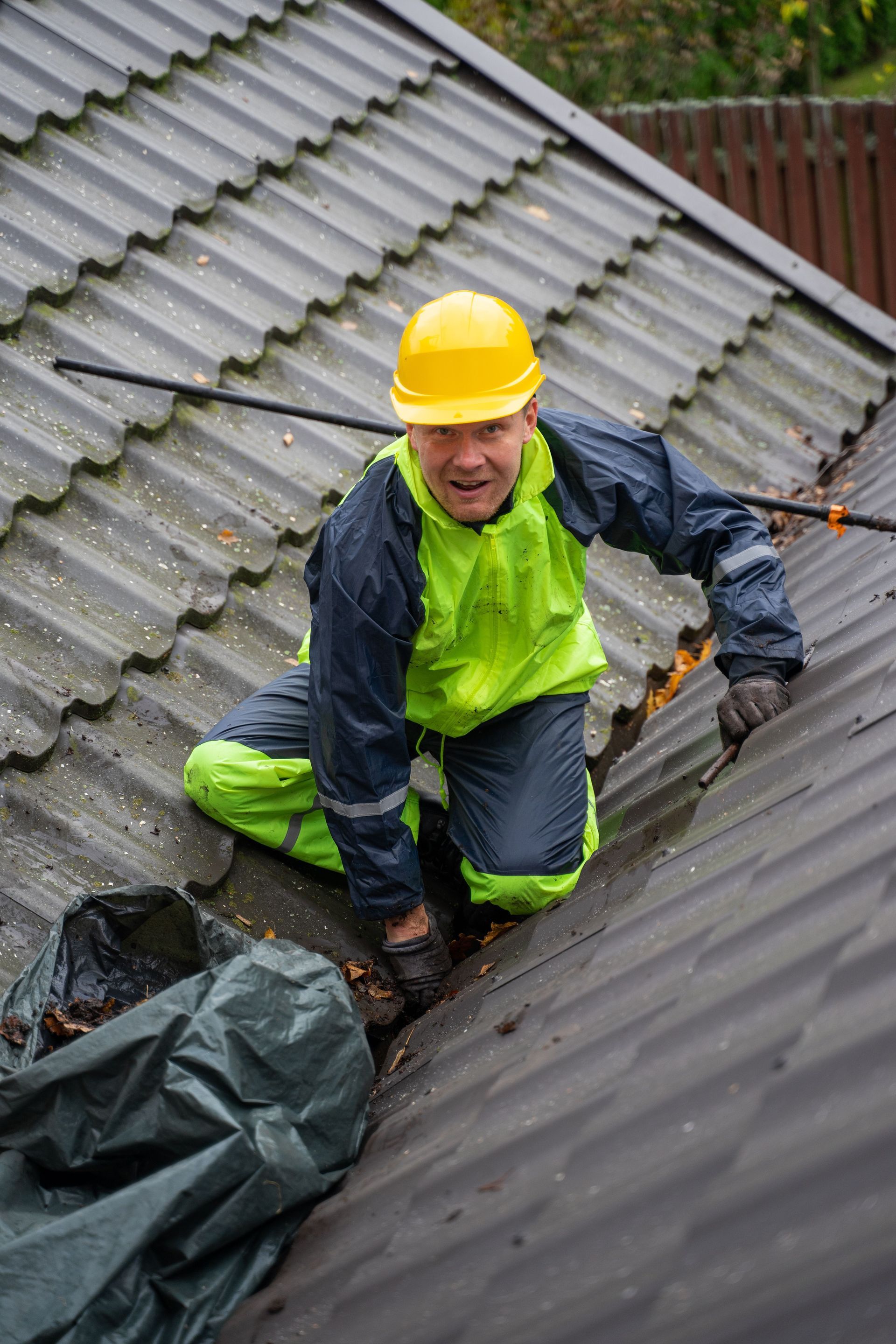
On the day, a soft wash is a calm affair. The cleaner treats the roof with the biocide and low-pressure spray, clears the thickest moss and the gutters, and checks the roof over while up there. There is no roar of a pressure washer and no debris blasting everywhere.
The roof will not look brand new that afternoon. Over the next few weeks the dead growth dries, loosens, and washes away in the rain, and the roof steadily clears. That gradual finish is normal and is a sign the treatment is doing its job at the root.
6. When soft washing is the right choice
For roofs, soft washing is almost always the right choice, and the only safe one on older tiles and slate. It suits pitched roofs, flat roofs, and the delicate decorative tiling on period homes alike.
Pressure washing still has its place, just not on a roof. Hard, flat ground like a concrete drive or patio can take higher pressure fine. The trick is matching the method to the surface, and for anything up on the roof, gentle wins.
What soft washing gives you:
- A clean without damage: low pressure that leaves tiles and fixings intact.
- Growth killed at the root: the treatment does the work, not brute force.
- Longer-lasting results: regrowth stays slow for years, not months.
- Safe on old and fragile roofs: Victorian slate, period clay, and worn concrete alike.
- No water forced into the roof: nothing driven under the laps or into the timbers.
Frequently Asked Questions
Does soft washing really clean as well as pressure washing?
Yes, and it lasts longer. It kills the moss and algae at the root so they clear over a few weeks and grow back slowly. Pressure washing only removes what is on the surface that day.
Why does my roof keep improving for weeks after the clean?
Because the treatment kills the growth rather than blasting it off. The dead moss and algae then dry and wash away in the rain over the following weeks, so the roof clears gradually.
Is soft washing safe for old or fragile roofs?
It is the safest method there is. Low pressure means nothing gets cracked or knocked loose, and the treatment does the work chemically. It suits century-old slate and clay perfectly.
How long does a soft wash last?
Usually a few years, because it slows regrowth at the root. Shaded, damp, or tree-covered roofs will see growth return a little sooner than open, sunny ones.
Can soft washing be used on flat roofs and render too?
Yes. The same low-pressure approach clears moss and algae from flat roofs without harming the covering. It is a gentle method that suits a wide range of surfaces.
Want your roof cleaned the safe way?
Ben's Roof Cleaning uses low-pressure soft washing across London and the South East, with over 15 years of experience. Get in touch or call 01342 778892
for a free, no-obligation quote.
Gentle beats forceful, every time
Soft washing works because it treats the cause rather than attacking the symptom. It kills the moss and algae at the root, lets the weather do the clearing, and leaves your tiles exactly as it found them. On a roof, especially an older one, that patience is worth far more than the instant drama of a pressure blast. Clean, intact, and clear for years is the trade every roof should get.