The Real Risks of DIY Roof Cleaning
You have watched a few videos, priced up a pressure washer, and now you are wondering if you could just clean the roof yourself and pocket the difference. It looks simple enough from the ground.
It is not. Roof cleaning goes wrong in ways that cost far more than any quote, and the person paying is usually the one who climbed the ladder. Before you talk yourself into it, here is an honest look at what actually goes wrong with DIY roof cleaning.
The quick answer: The big risks are falls from height, cracked or dislodged tiles, water forced under the roof, moss that grows straight back, and damage from the wrong chemicals. Most of these turn a bit of saved money into a much bigger bill, and some of them are genuinely dangerous.
1. Falls are the danger that matters most
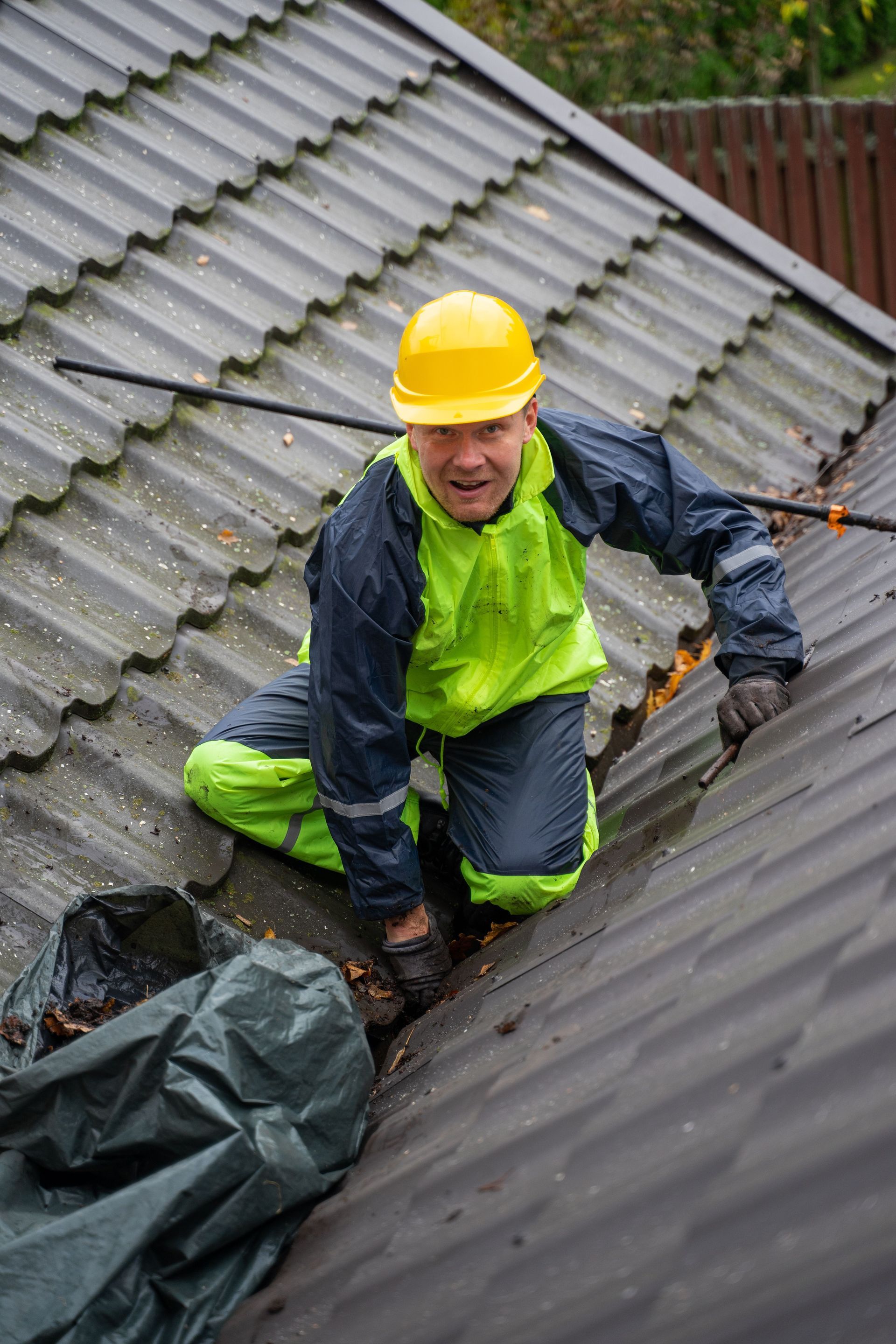
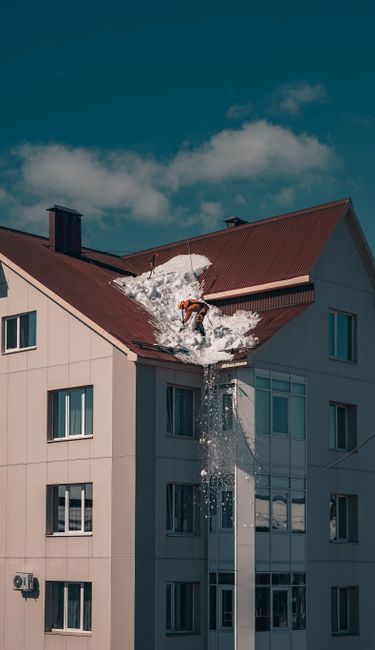
Let us start with the one that actually hurts people. Working at height is the single biggest risk in this whole job, and it is not to be shrugged off. A wet, sloping, moss-covered roof is one of the most slippery surfaces you will ever stand on.
Ladders slide, tiles shift underfoot, and a moment of overreaching is all it takes. On a two-storey Victorian terrace or a semi with a steep pitch, a fall is not a bruise, it is a hospital trip or worse. No clean roof is worth that.
Professionals train for working at height and use proper access for a reason. It is the part of the job that looks easy from the pavement and turns out to be the most serious once you are up there.
2. Cracked and dislodged tiles
Roof tiles are tougher than they look from below, but they are not made to be walked on carelessly. Step in the wrong place, or lean your weight badly, and tiles crack under your feet. Older clay and slate especially can shatter or slip.
Once a tile is cracked or knocked out of line, you have opened a path for water. A single displaced tile can let rain into the roof space, and you may not notice until a stain appears on a bedroom ceiling months later.
So the DIY clean that was meant to save money ends with a repair bill, a call to a roofer, and possibly damp to deal with as well. That is a poor trade for a Saturday afternoon.
3. Pressure washing wrecks roofs
This is the classic DIY mistake. A high-pressure washer feels powerful and satisfying, and it blasts the green off fast, so it seems like it is working. The damage is what you cannot see in the moment.
High pressure strips the protective surface off tiles, blows out the mortar around ridges, and forces water up under the laps where it was never meant to go. That trapped water can cause leaks and rot, and stripped tiles soak up moisture and grow moss back faster than before.
Soft washing exists precisely because blasting a roof is such a bad idea. Low pressure plus a biocide treats the growth at the root without any of that damage, which is the whole point.
4. The moss just comes back
Here is the frustrating part of a DIY scrub. Even if you get the roof looking clean on the day, scraping or blasting only removes what you can see. The roots and spores stay behind, and our damp South East climate has it green again before long.
So you risk the fall, you risk the tiles, you spend the afternoon soaked, and within a season or two the moss is back. All that effort buys a short-lived result.
Treating growth at the root is what makes it last, and that takes the right products used properly. A surface scrub is a temporary fix at best, and a dangerous one at that.
- Falls from height: the most serious risk by far, made worse by wet, sloping, mossy tiles.
- Cracked tiles: walking a roof carelessly breaks tiles and opens paths for water.
- Pressure washing damage: stripped surfaces, blown-out mortar and water forced under the laps.
- Wrong chemicals: harsh products can stain tiles, harm plants and run off where they should not.
- Fast regrowth: a surface scrub leaves the roots, so the moss returns within a season or two.
5. Chemicals and the mess they make
It is tempting to reach for the strongest thing on the shelf and hope it does the trick. That is another way DIY goes sideways. The wrong products can stain or discolour tiles, kill the plants in your borders, and run off into drains where they cause problems.
Getting the treatment right is about more than just picking something that kills moss. It is knowing what suits the roof, how to apply it safely, and how to protect everything around and below the work.
A pro brings that judgement along with the products. Guessing with household bleach or an unknown mix is how people end up with patchy tiles and dead flowerbeds on top of everything else.
6. When the savings vanish
Add it all up and the DIY saving looks thin. You have to buy or hire equipment, spend your own time, take on real risk, and possibly pay to fix cracked tiles or water damage afterwards. Then the moss returns and you are back where you started.
A professional soft wash costs money, yes, but it is done safely, it treats the growth properly, and it keeps working for weeks after. The result lasts, and nobody in your family had to balance on a slippery roof to get it.
There are plenty of jobs around the house that reward a bit of DIY spirit. Standing on a wet, steep roof with a pressure washer is not one of them.
Frequently Asked Questions
Can I just use a pressure washer on my roof?
It is a bad idea. High pressure strips the tile surface, blows out ridge mortar and forces water under the laps, which leads to leaks and faster moss regrowth. Soft washing at low pressure is the safe method.
Is it really that dangerous to clean my own roof?
Yes. Working at height on wet, sloping, mossy tiles is the biggest risk in the job. Falls cause serious injuries, which is why professionals use proper access and training.
Why does DIY moss removal not last?
Scraping or blasting only clears what you can see. The roots and spores remain, so in our damp climate the moss regrows within a season or two. Root treatment is what makes it last.
Can I damage my roof by walking on it?
You can. Tiles crack or slip under careless footing, especially older clay and slate, and a displaced tile lets water into the roof space where it can cause damp.
Will the wrong cleaning products cause problems?
They can. Harsh or random chemicals may stain tiles, kill garden plants and run off into drains. Choosing and applying the right treatment safely is part of the skill.
Rather leave the ladder to someone else?
Ben's Roof Cleaning cleans roofs, removes moss and clears gutters safely across London and the South East, with over 15 years of experience. Get in touch or call 01342 778892
for a free, no-obligation quote.
DIY roof cleaning risks more than it ever saves
A roof clean looks like a job you could tackle yourself, right up until you are standing on wet tiles with a pressure washer doing quiet damage. Between the falls, the cracked tiles, the water getting in and the moss coming straight back, the savings rarely survive. Leave this one to a safe, proper soft wash and keep both your feet and your roof intact.